
Homesteading is a Lifestyle
Homesteading is more than a trend—it’s a lifestyle rooted in self-reliance, sustainability, and a desire for greater control over how we live. For some, it means growing a small garden in the backyard. For others, it’s a full commitment to off-grid living, raising animals, preserving food, and producing as much as possible at home. No matter the scale, homesteading offers practical skills and long-term benefits that appeal to people from all walks of life.
Why People Choose Homesteading
One of the biggest reasons people turn to homesteading is self-sufficiency. In a world where supply chains can be unpredictable and costs continue to rise, being able to grow food, store essentials, and rely less on outside systems brings peace of mind. Homesteaders aren’t trying to escape society—they’re preparing to be more resilient within it.
Another major motivation is financial savings. While homesteading requires some upfront investment, it can significantly reduce grocery bills over time. Homegrown produce, preserved foods, homemade cleaning supplies, and DIY repairs all help cut recurring expenses.
Many people are also drawn to homesteading for health and wellness reasons. Growing your own food allows you to avoid harmful chemicals, eat fresher meals, and understand exactly where your food comes from. The physical activity involved—gardening, building, caring for animals—naturally promotes better fitness and mental health.
Finally, homesteading aligns with a desire for a simpler, more intentional life. It encourages slower living, practical skills, and a stronger connection to nature. For families, it’s also a powerful way to teach children responsibility, problem-solving, and independence.
Getting Started with Homesteading
Homesteading doesn’t require acres of land or quitting your job. The most successful homesteaders start small and build gradually.
1. Define Your Goals
Before buying tools or planting seeds, decide what homesteading means to you. Are you interested in food security? Saving money? Sustainability? Your goals will determine where to focus your time and resources. Someone living in a city apartment will homestead differently than someone on rural land—and that’s perfectly fine.
2. Start with Food
Food production is often the entry point into homesteading.
-
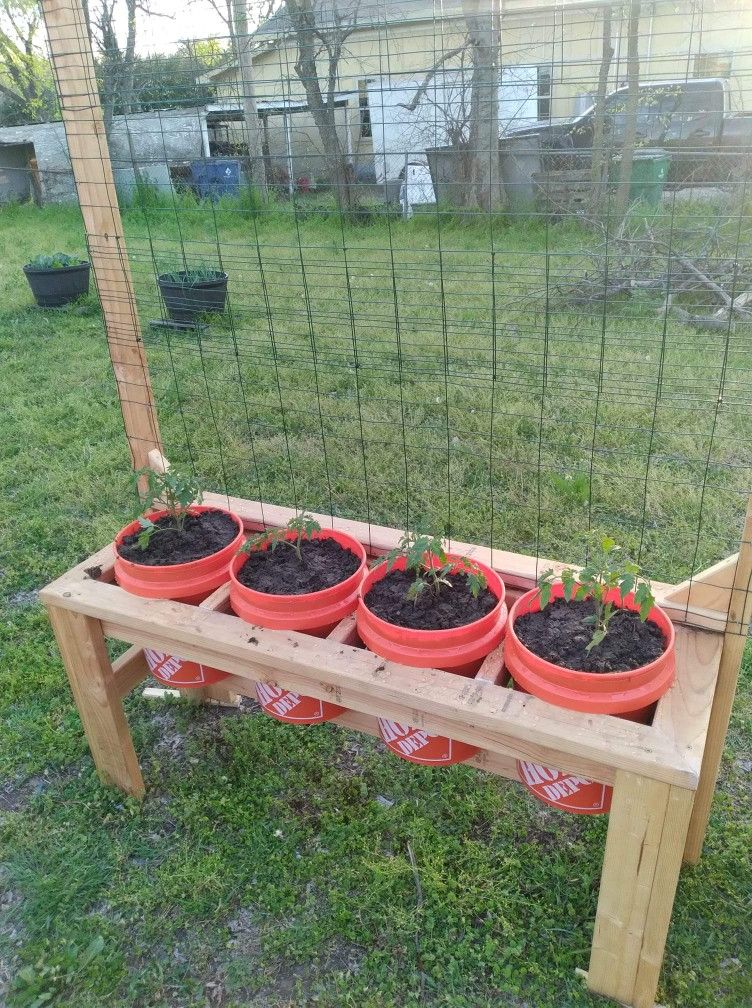
Gardening: Begin with easy crops like tomatoes, lettuce, herbs, zucchini, and beans. Container gardening works well for small spaces.
-
Food Preservation: Learn basic methods such as freezing, dehydrating, or canning to extend your harvest.
-
Composting: Turning food scraps into soil improves garden health and reduces waste.
These skills alone can dramatically increase your household resilience.
3. Learn Practical Skills
Homesteading thrives on knowledge. Focus on learning skills that match your environment and goals, such as:
-
Basic carpentry and repairs
-
Cooking from scratch
-
Water conservation
-
First aid and natural remedies
-
Seed saving and soil improvement
Books, online resources, and local workshops are excellent ways to learn without expensive mistakes.
4. Expand Slowly
Once you’re comfortable, you can explore additional areas:
-
Chickens or small livestock (where permitted)
-
Rainwater collection
-
Herbal gardens
-
Solar or alternative energy
-
DIY household products
Growth should be intentional—overextending can lead to burnout.
5. Build Community
Homesteading doesn’t mean doing everything alone. Local gardening groups, barter networks, and online communities offer support, shared resources, and invaluable experience. Strong community connections increase resilience just as much as practical skills.
Common Myths About Homesteading
Many people believe homesteading is expensive, extreme, or only for rural areas. In reality, homesteading is flexible and scalable. You can homestead in a backyard, on a balcony, or even indoors. Every small step—learning to bake bread, growing herbs, or storing emergency food—counts.
Another myth is that homesteading requires perfection. Crops fail. Animals get sick. Mistakes happen. The goal isn’t perfection—it’s progress and learning.
Is Homesteading Right for You?
Homesteading is ideal for anyone who values preparedness, independence, and long-term thinking. It rewards patience, creativity, and a willingness to learn. Even adopting a few homesteading principles can make your household more secure and adaptable in uncertain times.
You don’t have to do everything at once. Start where you are, use what you have, and build over time.
Final Thoughts
Homesteading is a powerful step toward resilience and self-reliance. Whether you grow a single tomato plant or build a fully off-grid homestead, each effort strengthens your ability to provide for yourself and your family. In an unpredictable world, those skills are not just useful—they’re invaluable.
If you’re looking for a lifestyle that blends preparedness, sustainability, and practical living, homesteading may be exactly the path you’ve been searching for.